In the world of beauty, the choice of a Makeup Brush Manufacturer can significantly influence the quality of makeup application. This decision impacts not only performance but also the overall experience for makeup enthusiasts. With the rise of numerous brands claiming excellence, distinguishing the best in 2026 becomes challenging. Attention to detail, material quality, and ergonomic design are critical factors.
Moreover, consumer feedback plays a pivotal role in identifying trustworthy manufacturers. Makeup artists and beauty lovers often share their insights on various platforms. This reflects a growing expectation for brands to deliver not just products, but also reliable performance. Trusting a brand is no longer enough; transparency and sustainability are increasingly important metrics.
However, not all manufacturers meet these evolving standards. Some may falter in consistency or customer support. It's crucial to evaluate these brands critically. As we explore the best options in 2026, we must acknowledge the diverse experiences of users. Their feedback is invaluable in shaping our understanding of what truly defines a leading Makeup Brush Manufacturer today.
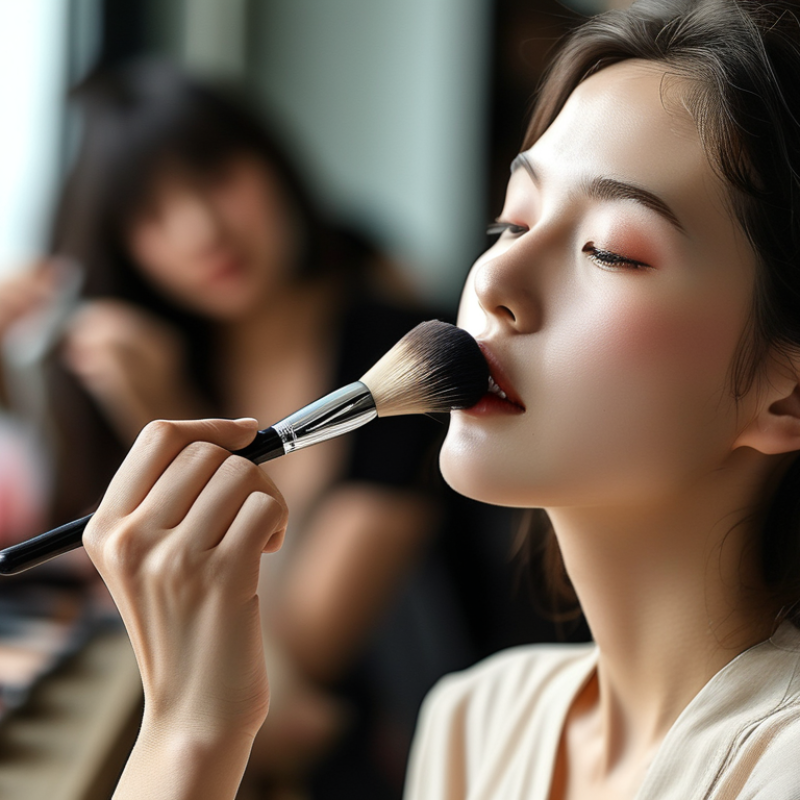
The makeup brush industry in 2026 has reached a remarkable turning point. According to recent market research, the global market is expected to exceed $700 million. This growth is attributed to various factors, including the rise of beauty influencers and the increasing popularity of high-quality tools among consumers.
In terms of innovation, eco-friendly materials are now in demand. Brands are adapting to sustainable practices, which resonate with environmentally conscious consumers. Reports indicate that over 45% of consumers prioritize eco-friendly products when shopping. However, the market faces challenges. The influx of low-quality, synthetic brushes complicates the landscape. Consumers often find it hard to distinguish between high-end and lower-grade tools. Quality control remains a significant concern for manufacturers.
Also, user preferences are evolving. Consumers show a clear preference for brushes that are multifunctional and easy to clean. A survey revealed that 63% of users dislike maintaining multiple brushes. As the industry adapts, refining product offerings remains essential. Addressing these issues could enhance brand loyalty and consumer trust in the ever-expanding market. The future will require a careful balance between innovation and quality assurance.
When evaluating makeup brush manufacturers in 2026, several criteria stand out. The quality of materials used is crucial. Brushes made from high-grade synthetic fibers or natural hairs perform better and last longer. A 2023 industry report indicated that brushes with durable handles and bristles retain customer satisfaction ratings of over 90%. This durability contributes significantly to the overall user experience.
Another vital criterion is the manufacturing process. Ethical sourcing and sustainable practices are increasingly important to consumers. Reports show that brands prioritizing eco-friendly materials see a growth of 35% in customer loyalty. This trend reflects a shift in consumer values, where transparency in sourcing directly influences purchasing decisions. Advanced technologies in production also enhance the precision and quality of brushes, making them more appealing.
Lastly, understanding market demand is essential. Current market trends indicate a rise in demand for multipurpose brushes. As of 2024, 40% of consumers prefer brushes that serve multiple functions. This evolving need pushes manufacturers to innovate constantly. Continuous feedback on product performance helps in refining designs. Companies should reflect on consumer input to improve their offerings for future success.
As we analyze the makeup brush industry in 2026, several key trends emerge. A report from the Global Cosmetics Market indicates that the demand for eco-friendly products is surging. Over 70% of consumers now prefer sustainable materials in their beauty tools. This shift is reshaping manufacturing practices. Brands respond by exploring biodegradable bristles and recycled handles, enhancing their appeal.
Innovation is another driving force. The market reports a 15% annual growth in smart beauty tools. These advanced brushes promise more effective application through technology integration. However, this trend raises questions about accessibility. Not every customer can afford these high-tech brushes. This gap highlights the need for inclusivity in design and pricing strategies.
Market competition is fierce, with numerous players vying for attention. While some companies excel in quality, others struggle with consistency. A staggering 40% of consumers have reported dissatisfaction with brush durability in recent surveys. This feedback emphasizes the importance of quality control. Manufacturers must reflect on their production processes to enhance reliability and bolster customer trust.
| Manufacturer Location | Market Share (%) | Number of Products | Average Rating | Sustainability Practices |
|---|---|---|---|---|
| USA | 25% | 150 | 4.8 | High |
| China | 30% | 200 | 4.5 | Moderate |
| Germany | 15% | 100 | 4.7 | High |
| Japan | 10% | 80 | 4.4 | Moderate |
| South Korea | 20% | 120 | 4.6 | High |
In 2026, makeup brush production is witnessing remarkable advancements through innovative technologies. Manufacturers are now integrating sustainable materials, ensuring brushes are not only efficient but also eco-friendly. Techniques like 3D printing allow for precise designs that cater to every contour of the face. This fusion of art and technology is reshaping the industry.
When choosing brushes, consider the type of bristles. Synthetic fibers offer durability and are ideal for liquid products. Natural hairs provide a softer touch and blend powders beautifully. Look for brushes with ergonomic handles for added comfort during application.
With the rise of smart technology, some brushes now feature temperature sensors that enhance product application. Users can adjust their makeup routine based on skin conditions. However, these innovations can lead to over-reliance on tools. It's essential to remember that practice and technique remain invaluable. Don't underestimate the power of personal experience.
As the makeup industry evolves, so does the demand for high-quality brushes. In 2026, many factors influence makeup brush manufacturing. Sustainability is a key trend. Consumers increasingly prefer eco-friendly materials. This preference encourages manufacturers to adopt greener practices. However, balancing quality and sustainability is challenging.
Another significant factor is technology. Innovative tools, like smart brushes, are emerging. These brushes offer personalized application experiences. While exciting, these advancements can complicate production. Manufacturers must invest in research and development. This investment can strain smaller companies.
Market demand also fluctuates. Beauty trends shift rapidly, affecting what consumers seek. Seasonal palettes influence brush designs. It's vital for manufacturers to stay agile and adaptive. However, predicting trends is not an exact science. Overproduction can lead to waste. Each of these factors must be carefully considered to stay competitive in the makeup brush market.
: The industry reached a turning point, with global sales exceeding $700 million.
Over 70% of consumers prefer sustainable materials in beauty tools, aligning with environmental values.
Many struggle with quality control and distinguishing between high-end and low-grade brushes.
Users want multifunctional brushes that are easy to clean, reducing maintenance needs.
Smart beauty tools are on the rise, offering personalized experiences but could limit affordability.
Dissatisfaction with brush durability affects 40% of users, emphasizing the need for manufacturers to improve quality control.
Rapid shifts in beauty trends lead to changing consumer demands, requiring agility from manufacturers.
Advancements can complicate production, especially for smaller manufacturers lacking resources.
By reflecting on production practices and ensuring consistent quality, brands can strengthen loyalty.
Predicting shifting beauty trends is imprecise, leading to potential waste in the market.
In 2026, the makeup brush industry continues to evolve, driven by innovative technologies and emerging market trends. The year presents a detailed overview of the landscape, emphasizing the significance of quality, sustainability, and consumer experience when evaluating a Makeup Brush Manufacturer. Key criteria include material quality, production techniques, and adherence to environmental standards, which significantly influence purchasing decisions.
An analysis of top makeup brush manufacturers reveals their adaptive strategies in response to market dynamics. With advancements in production technology and a growing emphasis on eco-friendly practices, these manufacturers are at the forefront of the industry. Additionally, trends such as personalization and inclusivity are shaping product offerings, making it essential for brands to align with contemporary consumer values and preferences. Overall, the industry in 2026 showcases a blend of tradition and innovation, reinforcing the importance of selecting the right Makeup Brush Manufacturer for quality and performance.

Jiasheng