Choosing the right Travel Toothbrush can make daily hygiene easier on crowded trains, long flights, and remote hotel stays. This guide examines seven practical options for global buyers, with attention to portability, brush softness, durability, and cleaning needs.
A useful travel toothbrush should fit inside a small toiletry bag without crushing its bristles. A protective cap matters, especially when the brush shares space with chargers, cosmetics, or damp towels. Foldable designs save room, while replaceable heads may reduce waste during longer trips. Materials also deserve attention. BPA-free plastics, secure hinges, and easy-to-rinse surfaces can improve everyday reliability.
Small details matter.
Each selection is considered through realistic travel situations, not only product packaging claims. We look at grip comfort, drying time, case ventilation, and availability across different markets. Battery-powered models may provide stronger cleaning support, but they require charging access and careful storage. Manual brushes remain simpler and often easier to replace.
No option is perfect.
Personal preferences can change the ranking. Someone with sensitive gums may value ultra-soft bristles, while another traveler may prefer firmer control. Product availability, regional pricing, and replacement-head compatibility also vary worldwide. These limitations deserve honest attention. The goal is not to name one universal winner, but to help readers choose a dependable brush for their itinerary, habits, and budget. Alongside general dental-care guidance, users should follow advice from qualified dental professionals, especially when managing gum sensitivity, braces, or other oral-health concerns.
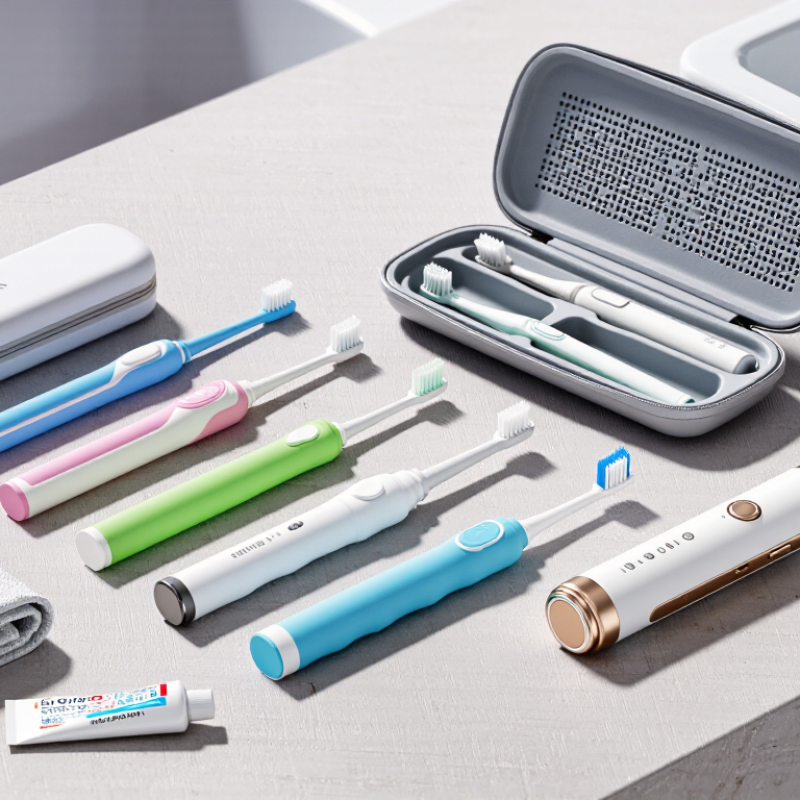
A reliable travel toothbrush must do more than fit inside a suitcase. It should protect oral hygiene across airports, hotels, trains, and unfamiliar bathrooms. The best travel toothbrushes usually have firm, comfortable handles and bristles that clean without irritating sensitive gums. A compact design helps, but extreme thinness can make brushing awkward. That trade-off is easy to overlook.
Hygiene matters as much as portability. Choose a ventilated case, because trapped moisture can encourage unpleasant odors and bacterial growth. A sealed case is useful during packing, but the brush should dry before long storage. Look for durable materials, secure caps, and replaceable heads when possible. These features reduce waste and support consistent use. Still, no design is perfect.
Tips:
Rinse the brush thoroughly after use. Shake off excess water. Store it upright when possible. Keep it away from toilet spray and shared sinks. Inspect the bristles after several weeks, especially after rough travel. Frayed bristles clean less effectively and may irritate gums. A small spare brush can also help during delays, lost luggage, or unexpected schedule changes. Avoid choosing only by appearance. A bright color is helpful, but dependable construction matters more.
A compact travel toothbrush should save space without making brushing uncomfortable. Compare the folded or protected length first. A case that fits beside a passport is useful, but it should still allow normal hand movement. Check the head size, bristle softness, and handle grip. Small heads can reach crowded areas more easily. Soft, rounded bristles are usually gentler on gums when used with light pressure.
I once chose the smallest model available and regretted it. The handle felt slippery after washing, and the case trapped moisture overnight. Look for ventilation holes and a removable inner tray. These details support cleaner storage during humid journeys. A manual brush avoids charging concerns, while an electric model may offer timed brushing and consistent movement. For electric designs, compare battery life, charging method, voltage compatibility, and replacement-head availability. Travel convenience can become inconvenient quickly.
Tips: Test the grip with wet hands before buying. Avoid a case that seals damp bristles completely. Pack a spare head for longer trips. Check whether replacement parts are sold in your destination country. A slightly larger brush may work better than an ultra-compact one. That trade-off is easy to overlook.
Key comparison: approximate packed weight of seven common compact travel toothbrush formats. Lower weight generally improves portability, while powered models may add battery, charging, and water-resistance features.
Values are rounded representative specifications from commonly listed travel toothbrush formats. Actual weight can vary by handle, cap, battery, and included accessories.
Travel toothbrush choice depends on luggage, charging access, and oral-health needs. The World Health Organization’s Global Oral Health Status Report 2022 estimates that oral diseases affect nearly 3.5 billion people worldwide. A dependable brush still matters, even during short trips. The American Dental Association recommends replacing toothbrushes every three to four months, or sooner when bristles become damaged.
A compact manual toothbrush suits minimalist travelers and fits small toiletry bags. A folding manual brush protects bristles inside crowded luggage. A soft-bristle toothbrush is better for travelers with sensitive gums. A battery-powered electric toothbrush helps users who struggle with consistent brushing technique. It also works well during long hotel stays. Keep spare batteries dry. Small details matter.
A USB-rechargeable electric toothbrush suits business travelers with regular charging access. A replaceable-head model reduces bulk during extended journeys, although replacement heads may be difficult to find abroad. A waterless chewable toothbrush helps hikers, campers, and passengers without immediate access to a sink. It is useful, but it should not replace normal brushing for every trip. The Cochrane review of powered toothbrushes found modest plaque and gingivitis benefits over manual brushing, yet technique remains important. My own travel mistake was choosing a powerful brush without checking its noise or charging design. Quiet hotels expose poor decisions quickly.
The best travel toothbrush depends on your destination and daily routine. A folding manual toothbrush suits short city trips and fits beside a passport. A compact soft-bristle brush works well for sensitive gums and ordinary hotel stays. For long flights, choose a battery-powered brush with a protective cap. Keep spare batteries away from metal objects. Small details matter.
A rechargeable brush may suit travelers who follow a strict two-minute routine. However, charging ports vary, and an adapter adds weight. A replaceable-head brush reduces packing space for frequent travelers. An orthodontic brush helps clean around braces, wires, or retainers. Families may prefer separate compact brushes with colored handles. A bamboo-handled option can feel practical, but it needs careful drying in humid destinations.
Clinical dental guidance generally recommends soft bristles and gentle pressure. A travel brush should reach the back teeth without forcing your wrist. Check the handle before departure, especially if you have limited grip strength. Let the brush dry before sealing it inside a case. A damp case can develop an unpleasant smell quickly. This is easy to forget. I once chose the smallest brush available and disliked its narrow handle after several days. Size is not everything. Match the brush to your transport, climate, charging access, and actual brushing habits.
A good travel toothbrush must be easy to clean, dry, and replace abroad. A compact handle helps, but the brush head matters more. Choose soft bristles and a size that reaches the back teeth comfortably. Dental guidance commonly recommends replacing a toothbrush every three to four months, or earlier when bristles spread. Carry a spare.
After brushing, rinse the head carefully. If local tap water is unsafe, use bottled or properly treated water. Shake off excess moisture, then let the toothbrush air-dry before closing its case. Dry it completely. A sealed, wet brush can develop an unpleasant smell and collect more microbes. Clean the case with mild soap regularly, especially after beach trips or long bus journeys.
Store the toothbrush away from shoes, toiletries, and the toilet area. A ventilated case is better than a tightly sealed container for daily use. I once packed a damp toothbrush before an overnight train ride; the bristles stayed wet until morning. That small mistake made the case smell stale. I still prefer a breathable cover, although it offers less protection from dust. Replace the brush when bristles bend, the handle cracks, or cleaning becomes difficult. If the brush touches a dirty surface, wash it thoroughly, not just with a quick splash. Availability also matters: a simple, standard-sized head is easier to replace in unfamiliar cities.
It needs a comfortable handle, effective bristles, and a compact shape. Extreme thinness can make brushing awkward. Small details matter.
Rinse it thoroughly and shake off excess water. Let it dry before long storage. Use a ventilated case, not a constantly damp container. Keep it away from toilet spray and shared sinks.
A compact manual toothbrush fits small toiletry bags. A folding model protects its bristles inside crowded luggage. The smallest option is not always easiest to use.
Choose soft bristles and brush with gentle pressure. Inspect the bristles after rough travel. Frayed bristles may irritate gums and clean less effectively.
A battery-powered model can help travelers who struggle with brushing technique. A rechargeable model suits trips with regular charging access. Check its noise and charging design before booking quiet hotels. I once overlooked this, and the decision felt poor at night.
It can reduce luggage bulk during longer journeys. Replacement heads may be difficult to find overseas. Carry enough spares for the entire trip.
It helps hikers, campers, and passengers without immediate sink access. Keep one for delays or schedule changes. It should not replace normal brushing on every trip.
Replace it every three to four months, or earlier when bristles become damaged. A spare helps after lost luggage or travel delays. Appearance matters less than dependable construction.
Choosing the right Travel Toothbrush can make daily oral care easier, cleaner, and more comfortable during international trips. This guide explains what makes a reliable travel toothbrush, including compact size, protective storage, comfortable bristles, durable materials, and convenient cleaning features. It compares key factors such as portability, handle design, brush-head protection, water resistance, and ease of replacement, then introduces seven practical toothbrush types suited to different travelers, routines, and destination conditions.
Readers will also learn how to match a toothbrush to their travel style, whether they prefer lightweight packing, longer journeys, shared bathrooms, or simple everyday use. The guide offers helpful advice for cleaning and drying the brush abroad, storing it safely to reduce contamination, and recognizing when it should be replaced. By considering hygiene habits, climate, transportation, and personal comfort, travelers can select a dependable toothbrush that supports a fresh routine wherever their journey leads.

Jiasheng