How to Choose a Reliable Beard Brush Manufacturer?

Time:2026-09-17 Author:Charlotte
0%

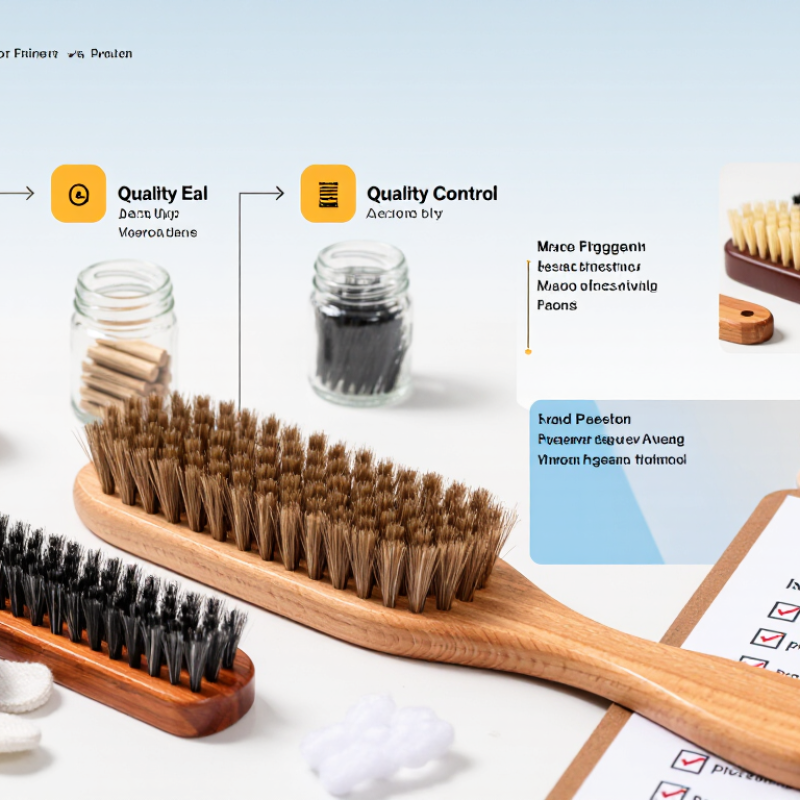
Choosing a reliable Beard Brush Manufacturer requires more than comparing prices or browsing polished factory photos. The real test appears in bristle selection, handle finishing, hygiene controls, and communication. A dependable supplier should explain whether its bristles are boar, nylon, or blended. It should also provide samples before discussing large production orders.

Eric Bandholz, founder of Beardbrand, has said, “The best way to build a brand is to build a community.” That principle matters here. A trustworthy Beard Brush Manufacturer listens to barbers, retailers, and everyday users. It studies complaints about shedding bristles, rough edges, weak packaging, and unpleasant odors. These small details can damage customer confidence quickly.

Look for evidence, not promises. Ask for material specifications, production photographs, quality-control records, and sample inspection procedures. Check whether each brush has even bristle density and a smooth, comfortable grip. Ask how rejected products are separated. Ask how defects are recorded. Good answers should be specific.

Still, no factory scorecard is perfect. A beautiful sample may hide inconsistent batch production. A low quoted price may exclude packaging, testing, or replacement costs. That is easy to miss. Request a pilot order and inspect several units from different cartons. Compare them under bright light. Run the brush through a beard, not just across a display card.

Reliable partnerships develop slowly. Clear revisions, realistic lead times, and written quality standards protect both sides. The strongest manufacturer may not be the cheapest one. It is the supplier that remains transparent when something goes wrong. That is where reliability becomes visible.
How to Choose a Reliable Beard Brush Manufacturer?

Define Brush Requirements: Bristle Type, Fiber Diameter, Density, and Handle Size

A reliable beard brush manufacturer should begin with clear brush requirements, not vague promises. Start by choosing the bristle type. Natural bristles can provide a warm, traditional feel, while synthetic fibers offer consistent shape and easier batch control. Ask for material details, cleaning methods, and sample approval before placing a large order. Small differences matter.

Fiber diameter controls softness, stiffness, and skin comfort. Fine fibers suit short beards and sensitive skin, but they may bend quickly under heavy use. Thicker fibers can reach dense facial hair, although excessive firmness may cause irritation. Request samples with measured diameter ranges, rather than accepting words like “soft” or “premium.” A reliable factory should explain its testing process clearly.

Density also changes performance. Sparse bristles allow easy cleaning, while dense bristles distribute natural oils more evenly. However, overly dense bundles may trap moisture near the base. Handle size deserves equal attention. A handle around 10 to 12 centimeters can offer control, but hand size and grooming habits should guide the final choice. Check grip width, edge smoothness, and balance in real use.

I once approved a brush that felt excellent in one sample. Production revealed a heavier handle and weaker bristle anchoring. That mistake taught me to inspect several units, not just one. Manufacturers should provide density counts, fiber tolerances, handle dimensions, and inspection records. Even then, specifications can miss comfort. Practical testing remains essential.

Verify ISO 9001:2015 Systems, Factory Capacity, and Production Traceability

How to Choose a Reliable Beard Brush Manufacturer?

Verify ISO 9001:2015 Systems, Factory Capacity, and Production Traceability

A reliable beard brush manufacturer needs more than polished samples. Verify its ISO 9001:2015 certificate, scope, factory address, and expiry date. The ISO Survey 2022 recorded 1,265,216 ISO 9001 certificates worldwide. Certification is widespread, but it does not guarantee product quality. Ask for process maps, corrective-action records, audit schedules, and calibration logs. The factory should explain who controls bristle trimming, handle finishing, bonding, and packing. During audits, small gaps matter. A missing batch label can weaken an otherwise impressive system.

Factory capacity must match your forecast, not just a sales promise. Request monthly output by model, machine lists, shift patterns, staffing, and subcontractor details. Compare these figures with trial orders and peak-season plans. Production traceability should follow every brush from incoming bristles and handles to final inspection. GS1’s Global Traceability Standard stresses identifying products, locations, and supply-chain events. This principle also suits personal-care accessories. Do not accept a spreadsheet alone; walk the production line and trace one lot backward. Some records look complete while operators use different labels.

Tips: Visit the factory or appoint an independent auditor. Confirm the certificate through IAF CertSearch. Sample cartons from different production dates. Test bristle shedding, handle smoothness, odor, and package counts. Record defects by lot and review response time. A manufacturer sharing uncomfortable data may be more dependable than one making perfect claims. Keep approval conditional until repeat production proves consistency.

Check REACH Compliance and Material Safety Documentation for Every Component

A reliable beard brush manufacturer should explain how each component meets REACH requirements. Ask for a complete material list, not only a general compliance statement. The list should cover bristles, wood, coatings, adhesives, metal pins, labels, and packaging. Small parts can still introduce restricted substances. They should not be overlooked.

Request current REACH declarations and SVHC screening records for every relevant material. For coatings, glues, and cleaning agents, review their Safety Data Sheets carefully. Finished articles may not always require an SDS, but their substance information still needs traceable evidence. Check whether testing covers Annex XVII restrictions and current SVHC updates. A professional manufacturer should provide batch numbers, supplier details, test dates, and laboratory information. Vague certificates create avoidable risk.

Look closely at the brush itself. Does the wooden handle have a documented finish? Is the adhesive identified by grade and supplier? Can the factory explain what happens when a material changes? During practical supplier checks, these questions often reveal more than polished samples. Documentation can be incomplete. That is a warning, not a minor inconvenience. I have seen attractive products delayed because one coating record was missing. Good manufacturers welcome document reviews and correct gaps without defensiveness. They also maintain change-control procedures, so an approved material is not quietly replaced. A careful review may feel slow, but it protects users, importers, and the manufacturer’s reputation.

Audit Quality Using ISO 2859-1 Sampling and Agreed AQL 1.5/2.5 Levels

How to Choose a Reliable Beard Brush Manufacturer?

Audit quality through ISO 2859-1 sampling and agreed AQL 1.5/2.5 levels. This standard supports a controlled inspection of production lots. It does not guarantee perfection. A responsible manufacturer should define the lot size, inspection level, sample quantity, and acceptance numbers before production begins. AQL 1.5 may cover major defects, while AQL 2.5 may cover minor defects, but both classifications must be agreed in writing. Do not assume every supplier uses these levels correctly.

Inspect details that affect daily use. Check loose bristles, uneven trimming, cracked handles, sharp edges, stains, and damaged packaging. Test brush firmness across several samples. Pull the bristles lightly and record shedding. Small defects can become customer complaints quickly. Keep dated inspection photos and batch records. A reliable factory should provide traceability, calibrated measuring tools, and corrective action reports. It should also allow independent inspections before shipment.

AQL is not a magic shield. It only evaluates a sample. A weak sampling plan can hide recurring problems. The inspection report should show the lot quantity, sample size, defects found, and final acceptance decision. Review earlier reports when possible. Patterns matter more than one clean shipment. I would also question unusually perfect records. Real production has variation, and honest reporting is more useful than polished paperwork. Recheck the agreement when brush materials or packaging change. Be strict, but remain practical.

How to Choose a Reliable Beard Brush Manufacturer? - Audit Quality Using ISO 2859-1 Sampling and Agreed AQL 1.5/2.5 Levels
Supplier-audit framework for beard brushes using ISO 2859-1 single sampling, normal inspection, General Inspection Level II. AQL 1.5 applies to major defects, AQL 2.5 applies to minor defects, and critical defects require zero acceptance.
Audit Dimension Inspection Point Objective Requirement Sampling / Evidence Acceptance Rule Audit Result Risk Level
1. Sampling Plan and AQL Decision Rules
Lot size: 151–500 pieces Randomly select units from cartons, inner packs, and production locations. ISO 2859-1, General Inspection Level II, code letter H. Sample size: 50 pieces Major defects, AQL 1.5: accept at 2, reject at 3.
Minor defects, AQL 2.5: accept at 3, reject at 4.
Defined Control
Lot size: 501–1,200 pieces Use a random sample covering different cartons and production shifts where available. ISO 2859-1, General Inspection Level II, code letter J. Sample size: 80 pieces Major defects, AQL 1.5: accept at 3, reject at 4.
Minor defects, AQL 2.5: accept at 5, reject at 6.
Defined Control
Lot size: 1,201–3,200 pieces Apply the plan to a complete finished-goods lot before shipment release. ISO 2859-1, General Inspection Level II, code letter K. Sample size: 125 pieces Major defects, AQL 1.5: accept at 5, reject at 6.
Minor defects, AQL 2.5: accept at 7, reject at 8.
Defined Control
Lot size: 3,201–10,000 pieces Include samples from multiple cartons and production dates when the lot contains mixed output. ISO 2859-1, General Inspection Level II, code letter L. Sample size: 200 pieces Major defects, AQL 1.5: accept at 7, reject at 8.
Minor defects, AQL 2.5: accept at 10, reject at 11.
Defined Control
Critical-defect rule Check for sharp exposed wire, detachable hazardous parts, contamination, or unsafe packaging materials. Critical defects are not permitted in the agreed inspection sample. Visual inspection plus applicable safety and material records. Ac 0 / Re 1 for critical defects, regardless of the major or minor AQL result. Zero Tolerance Critical
2. Product Construction and Functional Quality
Bristle retention Brush the bristles repeatedly over a clean, dry test surface and inspect for loose hairs or tufts. No visible loose tufting after the agreed functional test. Test all sampled units; record any loose bristles separately from normal shedding. Any detaching tuft or exposed fixing point is a major defect. Verify by Test Major
Handle integrity Inspect for cracks, splits, delamination, unstable joints, and excessive movement between handle and base. Handle remains structurally secure during normal brushing use. 100% visual check in the sample plus manual flex and twist assessment. Structural failure, sharp damage, or unsafe movement is a major or critical defect depending on hazard. Verify by Test Major / Critical
Surface finish Check polished, painted, coated, or wooden surfaces for splinters, sharp edges, peeling, deep scratches, and staining. Contact surfaces must be smooth and free from defects that affect safe handling or appearance. Inspect under consistent lighting at normal viewing distance. Sharp edges or splinters are critical; conspicuous finish damage is major; minor cosmetic marks are minor. Visual Audit Major / Minor
Tooth and bristle uniformity Check spacing, alignment, missing tufts, uneven trimming, bent pins, and inconsistent density. Brush configuration must match the approved specification and reference sample. Compare the sample with the signed specification, drawing, or approved golden sample. Missing components or functional misalignment are major; isolated appearance variation is minor if function is unaffected. Specification Check Major / Minor
Dimensions and weight Measure overall length, width, thickness, bristle height, and unit weight. Values remain within the agreed drawing tolerances and packaging requirements. Use calibrated ruler, caliper, and scale; record actual readings for each tested dimension. Any measurement outside the approved tolerance is a nonconformity; classify according to functional impact. Record Actuals Major / Minor
3. Materials, Hygiene, and Traceability
Material consistency Verify the declared bristle, wood, plastic, metal, adhesive, coating, and packaging materials. Materials must match the approved bill of materials and applicable purchase specification. Review incoming inspection records, supplier declarations, and material test reports where required. Unapproved material substitution is a major defect and requires corrective action before release. Document Review Major
Cleanliness and odor Inspect for dust, oil, insects, foreign matter, mold, excessive chemical odor, and visible contamination. Finished brushes must be clean, dry, and free from contamination that could transfer during normal use. Open cartons and inspect sampled units before final packing. Visible contamination or mold is major; hazardous contamination is critical. Hygiene Check Major / Critical
Lot traceability Confirm that cartons or production records identify production date, lot number, quantity, and inspection status. Every finished lot must be traceable from raw materials through final inspection and shipment. Review batch records, inspection reports, carton marks, and retained samples. Missing or contradictory traceability information requires lot hold until resolved. Document Review Major
Calibration control Check calibration status of scales, calipers, gauges, and other inspection equipment. Measuring equipment must have identifiable calibration status and valid records. Review calibration labels and certificates during the supplier audit. Expired or unidentified calibration equipment invalidates affected measurements until reverified. Document Review Major
4. Packaging, Shipment, and Corrective Action
Packaging protection Inspect inner packaging, carton strength, moisture protection, separators, and protection of bristles and handles. Packaging must prevent deformation, contamination, abrasion, and transit damage under agreed shipping conditions. Perform carton drop or handling checks when specified in the purchase agreement. Packaging failure that damages the product is major; minor scuffing with no product impact is minor. Transit Check Major / Minor
Quantity and labeling Verify unit count, carton quantity, item code, lot number, country-of-origin marking, and shipping labels. Labels and quantities must match the approved packing list and purchase specification. Count selected cartons and reconcile physical quantities with shipping documents. Wrong item, wrong quantity, or missing mandatory identification is a major defect. Reconciliation Major
Nonconformity handling Review how the manufacturer isolates rejected goods, identifies root causes, and prevents recurrence. Rejected lots must be segregated, documented, and released only after approved rework or reinspection. Check corrective-action reports, disposition records, and evidence of effectiveness. Repeated defects without effective corrective action should trigger supplier escalation or re-audit. CAPA Required Major
Final release decision Compare the total defect count with the agreed acceptance numbers for each defect class. Release only when critical, major, and minor criteria are all satisfied. Complete and sign the inspection report before shipment authorization. Accept: each defect class is at or below Ac.
Reject: any class reaches Re, or any critical defect is found.
Lot Decision All Levels
Important: AQL is a sampling acceptance parameter, not a guarantee that a shipment contains exactly the stated percentage of defects. The purchase agreement should define the defect classification, sampling level, test methods, tolerances, reinspection rules, and responsibility for rejected lots.

Compare Pull-Test Results, Packaging Standards, MOQ, Lead Times, and Costs

How to Choose a Reliable Beard Brush Manufacturer?

Choosing a reliable beard brush manufacturer starts with evidence, not polished product photos. Request recent pull-test results for the handle, bristles, and adhesive joint. The report should show testing methods, sample quantities, force levels, and failure points. A brush that survives gentle handling may still loosen after repeated use. Ask for retained samples from the tested production batch. This detail is often missed.

Packaging standards also deserve close attention. Inspect inner boxes for crushed corners, loose bristles, and moisture marks. Confirm carton dimensions, packing quantity, barcode placement, and drop-test procedures. Compare the minimum order quantity with your realistic sales forecast. A low MOQ can reduce inventory pressure, but it may increase unit costs. Lead times should include sampling, material purchasing, production, inspection, and shipping preparation. Request a written schedule with buffer days. Delays usually begin before production starts.

Tips: Compare three detailed quotations, not only unit prices. Separate tooling, packaging, inspection, and delivery costs. Ask whether replacement parts or rejected goods affect the final invoice. Check how the manufacturer handles failed pull tests. A vague answer is a warning sign. I would also order a small trial batch before committing to a large quantity. That choice costs more initially, but it reveals workmanship, packaging stability, and communication quality. Some suppliers promise fast delivery too confidently. Build your decision around documented performance, even when the cheapest offer looks persuasive.

FAQS

What bristle type should I choose for a beard brush?

Natural bristles offer a warm, traditional feel. Synthetic fibers provide consistent shape and easier batch control. Ask for material details and cleaning methods. Approve samples before ordering large quantities.

How does fiber diameter affect brush performance?

Fine fibers suit short beards and sensitive skin. They may bend sooner during heavy use. Thicker fibers reach dense facial hair but can feel harsh. Test measured diameter ranges, not vague claims.

What bristle density works best?

Sparse bristles are easier to clean. Dense bristles spread natural oils more evenly. However, very dense bundles can trap moisture near the base. The best balance depends on daily use.

What handle size is practical?

A handle around 10 to 12 centimeters often provides good control. Hand size still matters. Check grip width, smooth edges, and balance. A comfortable handle should not feel heavy or slippery.

What should I inspect before approving production?

Inspect several units, not one attractive sample. Check bristle alignment, anchoring, shedding, stains, and handle weight. Also examine cracked surfaces and sharp edges. Small defects become customer complaints quickly.

How can ISO 2859-1 sampling support quality checks?

It helps control production-lot inspections through defined sample sizes and acceptance numbers. It does not guarantee perfection. Record the lot size, inspection level, sample quantity, defects, and final decision.

What do AQL 1.5 and AQL 2.5 mean here?

These levels can classify major and minor defects when both sides agree in writing. Do not assume their meaning. Define defect categories, acceptance numbers, and inspection rules before production.

Why are inspection records and traceability important?

Dated photos, batch records, calibrated tools, and corrective reports reveal recurring problems. Patterns matter more than one clean shipment. I once trusted a perfect sample. Production later showed weaker bristle anchoring and a heavier handle. Practical testing remains necessary.

Conclusion

Choosing a reliable Beard Brush Manufacturer begins with clearly defining your product requirements. Specify the preferred bristle type, fiber diameter, bristle density, handle dimensions, materials, and intended use before requesting quotations. A dependable supplier should demonstrate an established ISO 9001:2015 quality management system, adequate factory capacity, and complete production traceability from raw materials to finished goods. It is also important to request REACH compliance evidence and material safety documentation for every component, including bristles, handles, coatings, adhesives, and packaging.

Before placing an order, conduct a structured quality audit based on ISO 2859-1 sampling procedures and agree on acceptable AQL levels, such as 1.5 for critical quality expectations and 2.5 for minor defects. Compare pull-test results, appearance standards, packaging performance, minimum order quantities, lead times, and total costs. Evaluating these factors together helps ensure consistent product quality, transparent communication, dependable delivery, and long-term manufacturing cooperation.


Charlotte

Charlotte

Charlotte is a seasoned marketing professional with a deep understanding of the company's portfolio and a passion for elevating its presence in the market. With a keen eye for detail and a commitment to excellence, she ensures that our professional blog is regularly updated with insightful articles......