How to Choose the Best Kids Toothbrush for Global Markets

Time:2026-10-17 Author:Amelia
0%

Choosing the Best Kids Toothbrush for Global Markets requires more than bright colors and playful packaging. A suitable Kids Toothbrush must support safe, comfortable, and consistent daily brushing. Children have smaller mouths, developing motor skills, and different sensitivity levels. These details influence brush-head size, bristle softness, handle shape, and overall weight. A two-year-old may need a compact head and thick grip. An older child may prefer a slimmer handle with a gentle tongue-cleaning surface.

Global buyers also expect reliable quality. Manufacturers should review recognized safety requirements, material documentation, labeling rules, and age recommendations in each target market. These requirements can differ between regions. Independent testing and traceable production records strengthen trust. They also help retailers answer practical questions from parents. However, compliance alone does not guarantee a good brushing experience. A product can pass basic checks and still feel awkward in a child’s hand. That point deserves more attention.

Observe real use.

Parents often notice small problems first. A slippery handle can fall beside a bathroom sink. Firm bristles may irritate sensitive gums. Excessive decoration can make cleaning difficult. Feedback from dentists, caregivers, retailers, and children can reveal these weaknesses early. Product teams should compare prototypes in supervised, age-appropriate trials and document the results carefully. Expert guidance remains important, especially when recommending products for children with orthodontic appliances or special oral-care needs.

Markets are not identical. Preferences, purchasing habits, climate, packaging expectations, and language requirements all vary. A dependable strategy balances universal safety principles with local insight. The best choice is not always the most advanced model. Sometimes, a simple, soft-bristled Kids Toothbrush performs better because children use it willingly every day. That conclusion may change as evidence develops. Good product decisions leave room for review.
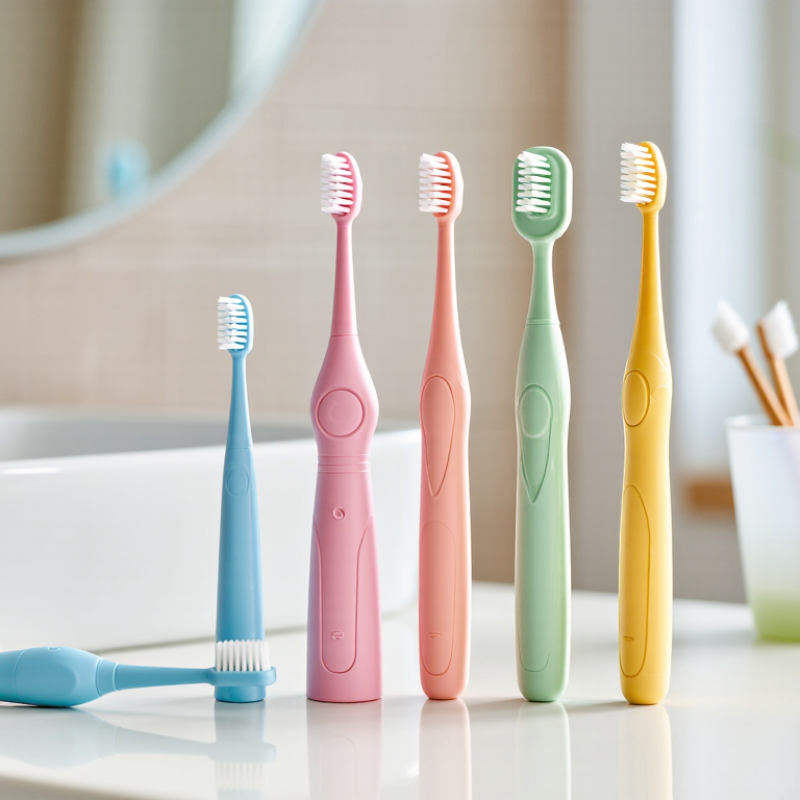
How to Choose the Best Kids Toothbrush for Global Markets

Understanding Children’s Oral-Care Needs Across Global Markets

Choosing a children’s toothbrush for global markets requires more than selecting a smaller adult brush. Children’s oral-care needs change with age, diet, motor skills, and local dental habits. A toddler may need a short handle, a small head, and extra-soft bristles. An older child may manage a longer handle with a non-slip grip. The brush should feel light in a small hand, even after water makes it slippery.

Regional routines also matter. Some families brush once daily, while others follow a twice-daily schedule recommended by dental professionals. Sugary snacks, acidic drinks, and access to fluoridated toothpaste differ between communities. Toothbrush guidance should therefore work with local oral-health advice, not replace it. Clear instructions should explain brushing pressure, replacement timing, and adult supervision. Simple pictures help when literacy levels and languages vary.

Materials need careful review. Bristles should stay secure during normal use, and small parts should not detach easily. Packaging should provide age guidance, cleaning instructions, and relevant safety information for each market. Local testing can reveal problems that laboratory checks miss, such as handles becoming slippery in humid bathrooms. A universal design sounds efficient, but it can overlook children with limited dexterity or sensory sensitivities. That weakness deserves attention. The best choice may be an adaptable brush, supported by evidence, professional input, and feedback from families in the target region.

Comparing Kids’ Toothbrush Types, Sizes, and Bristle Designs

Choosing the best kids’ toothbrush for global markets starts with age, mouth size, and brushing ability. A toddler needs a compact head and a short, easy-grip handle. Older children can manage a longer handle and a slightly wider head. The World Health Organization’s Global Oral Health Status Report 2022 estimates that 514 million children have untreated decay in primary teeth. That figure makes practical design important, not decorative.

Manual and powered toothbrushes serve different users. Manual brushes are affordable, portable, and easier to distribute in low-resource settings. Powered brushes may help children who struggle with consistent movements. A Cochrane review of 56 trials found powered brushing reduced plaque by about 21% and gingivitis by 11% over three months. Results still depend on supervision. Technology cannot replace instruction.

Bristles should feel soft, with rounded ends and a dense but flexible pattern. Very firm bristles may irritate gums when children press too hard. Tapered or multi-level bristles can reach uneven surfaces, but their performance needs careful testing. ISO 20126:2022 provides general requirements and test methods for manual toothbrushes. A colorful handle may attract attention, yet it does not prove safer cleaning. Real children are not laboratory users. Some will chew the bristles, drop the brush, or ignore the timer. Product testing should include those imperfect habits.

Evaluating Safety, Materials, and Age-Appropriate Features

How to Choose the Best Kids Toothbrush for Global Markets

Safety begins with the brush head, not the cartoon design. Choose rounded bristles, smooth edges, and a compact head that fits comfortably inside a child’s mouth. The handle should resist cracking, peeling, and sharp breakage during daily use. Avoid loose decorations, detachable parts, and openings that can trap water.

Material choices require careful checking. Soft nylon bristles are common, while silicone may suit early gum cleaning. Look for clear material information and independent test reports covering chemical migration, durability, and small-part risks. Compliance requirements differ between markets, so suppliers should review the destination country’s current rules. “Non-toxic” alone is not enough evidence.

Age guidance should match motor skills and mouth size. Infants need gentle gum brushes with large, easy-grip handles. Toddlers benefit from short heads, soft bristles, and supervised brushing. Older children may handle longer grips, but comfort still matters. In practical evaluations, a child often drops a slippery brush before using it correctly. That detail is easy to miss. A bright color can improve recognition, yet it may distract from safe storage. Age labels help, but they are not perfect. Caregivers should inspect worn bristles, replace damaged brushes, and teach children not to chew the handle. Dental professionals can verify whether the shape supports effective cleaning without irritating gums.

How to Choose the Best Kids Toothbrush for Global Markets

Evidence-based reference values for evaluating safety, materials, and age-appropriate design.

Safety

Choose soft bristles with rounded ends and a handle designed to reduce slipping and choking risks.

Materials

Check food-contact and product-safety requirements in each destination market, including material declarations and restricted-substance compliance.

Age-appropriate features

The American Dental Association recommends brushing for two minutes and replacing toothbrushes every three to four months. Young children generally need adult supervision until about age eight.

Adapting Toothbrush Selection to Regional Standards and Preferences

How to Choose the Best Kids Toothbrush for Global Markets

Adapting Toothbrush Selection to Regional Standards and Preferences

A children’s toothbrush should fit the market, not just the child. Check each region’s current safety, labeling, and material requirements before production. Requirements differ. Age guidance, bristle materials, packaging language, and testing documents may all vary. A soft, rounded bristle design is widely preferred because children often brush with uneven pressure. The head should match local age groups and common mouth sizes. Oversized handles may help younger children with limited coordination.

Local habits also shape acceptance. In some markets, families prefer bright colors and playful shapes. Other parents value simple designs, muted colors, and recyclable packaging. Climate matters too. High humidity can affect packaging, storage, and adhesive performance. Retailers may also request instructions in several regional languages. Small details build trust. A clear brushing diagram can be more useful than a long paragraph.

Dental professionals and local testing laboratories can help verify practical choices. Review applicable standards, run age-appropriate usability checks, and record every material decision. Never rely only on a supplier’s general certificate. Documents may be outdated or incomplete. I have found that a handle comfortable for one child can feel slippery to another, especially with wet hands. That assumption needs testing. Children also reject products that look too medical. Yet decorative parts can create cleaning problems if poorly designed. A careful balance is still difficult. Feedback from caregivers, dentists, retailers, and children should be compared before final selection.

Assessing Sustainability, Packaging, Pricing, and Market Fit

Choosing a children’s toothbrush for global markets requires more than a soft handle and bright colors.

In procurement reviews, I examine bristle safety, grip comfort, and age suitability before comparing commercial details.

Small hands need a stable, non-slippery handle. Rounded edges also matter during energetic brushing.

Sustainability begins with material choices and realistic disposal routes. A toothbrush may use recycled plastic, yet its mixed materials can complicate recycling.

Packaging deserves equal attention. Compact cardboard packaging reduces shipping volume, while clear opening instructions help parents inspect the product.

Avoid excessive windows, coatings, and unnecessary inserts.

Some claims need evidence. “Eco-friendly” is too vague without test data or documented material content.

Pricing should include manufacturing, freight, duties, packaging, quality checks, and retailer margins. A low factory price can become expensive after international delivery.

I also compare pack sizes and replacement frequency. Families in different markets may prefer single brushes, multipacks, or lower-cost refill options.

Market fit depends on more than income. Local colors, language, bathroom habits, and retail channels can influence acceptance.

Consumer interviews and small pilot orders reveal problems early.

Still, research can mislead when samples are too narrow. A design loved in one city may feel awkward elsewhere.

Teams should record these uncertainties and retest before scaling.

FAQS

Why is a children’s toothbrush different from an adult toothbrush?

Children need smaller heads, lighter handles, and softer bristles. Their mouth size and motor skills change with age. A short handle may suit a toddler. Older children may prefer longer grips with non-slip surfaces.

What toothbrush features suit infants and toddlers?

Infants need gentle gum brushes with large, easy-grip handles. Toddlers need compact heads and extra-soft, rounded bristles. Adult supervision remains important. Small hands can lose control quickly.

How can caregivers choose a safe toothbrush head?

Choose rounded bristles, smooth edges, and a compact head. Avoid sharp corners, loose decorations, and detachable parts. The head should fit comfortably inside the child’s mouth. It should not irritate the gums.

Which materials should buyers review?

Review bristle material, handle durability, and chemical safety information. Soft nylon is common, while silicone may suit early gum cleaning. “Non-toxic” alone is not enough evidence. Independent testing should cover durability and small-part risks.

How should age guidance affect toothbrush selection?

Age labels should match mouth size, hand strength, and coordination. They provide useful guidance but are not perfect. A toddler may need a short head. An older child may manage a longer grip.

How do regional habits influence children’s toothbrush choices?

Families may brush once or twice daily. Diets, sugary snacks, acidic drinks, and toothpaste access also differ. Instructions should support local dental guidance. They should not replace professional advice.

What packaging and instructions are useful in global markets?

Packaging should show age guidance, cleaning directions, replacement timing, and safety information. Use clear pictures and local languages where needed. A simple brushing diagram can help more than a long paragraph. Packaging should also suit local recycling preferences.

How do climate and daily use affect toothbrush performance?

Humid bathrooms can make handles slippery and weaken packaging adhesives. Test the brush with wet hands before approval. That detail is easy to miss. Laboratory results may not reveal every household problem.

How can families check whether a toothbrush remains suitable?

Inspect bristles regularly for wear, spreading, or damage. Replace the brush when it becomes worn or damaged. Teach children not to chew the handle. Compare feedback from children, caregivers, and dental professionals.

Conclusion

Choosing the best Kids Toothbrush for global markets requires a clear understanding of children’s oral-care needs, which can differ by age, habits, climate, and local expectations. Product selection should consider toothbrush size, handle shape, head design, and bristle softness to ensure comfort, effective cleaning, and easy use for both children and caregivers. Safety is essential, so materials should be durable, non-toxic, smooth, and suitable for the intended age group. Features such as rounded bristle tips, ergonomic grips, and age-specific dimensions can improve usability while supporting healthy brushing routines.

Market suitability also depends on regional standards, consumer preferences, sustainability goals, packaging expectations, and price sensitivity. Manufacturers and buyers should evaluate recyclable or reduced packaging, responsible material choices, and practical product durability without compromising safety or performance. By balancing oral-care effectiveness, child-friendly design, regulatory considerations, environmental responsibility, and local market needs, businesses can select a Kids Toothbrush that offers reliable value and broad international appeal.


Amelia

Amelia

Amelia is a seasoned marketing professional with a wealth of expertise in our company’s core offerings. With an unwavering passion for driving growth and innovation, she plays a pivotal role in shaping our marketing strategies and enhancing brand visibility. A key aspect of her responsibilities......