Choosing the right teasing comb can transform your hairstyling routine. A teasing comb is an essential tool for achieving volume and texture. With so many options available, it can be challenging to find the one that suits your individual needs.
Different shapes and materials can make a significant difference. Some teasing combs have fine teeth for precision, while others offer wider spacing for bulk. It's essential to consider your hair type when selecting a comb. Fine hair may require a gentler approach, while thicker hair demands sturdier tools.
The market has numerous brands, each promising the best results. It's easy to feel overwhelmed. Reading reviews and seeking expert opinions can help streamline your choice. Personal experience is key—what works wonders for one person may not suit another. Take time to reflect on your preferences and hair goals before making a decision.
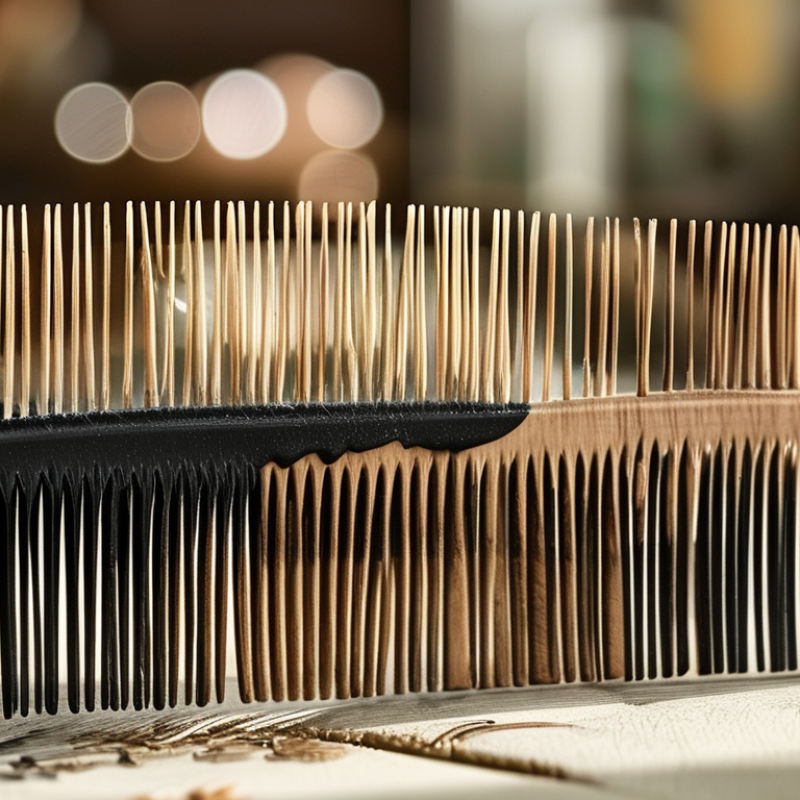
Choosing the right teasing comb is essential for effective hair styling. The importance of a teasing comb cannot be overstated. A well-crafted comb allows for precise volume creation. Research indicates that 72% of hairstylists regard teasing as crucial for achieving desired looks. The right tool can drastically improve your styling efficiency.
When selecting a teasing comb, consider the tooth spacing. Dense teeth create tighter curls, while wider spacing offers more volume. According to industry insights, improper tools can lead to hair damage and uneven styles. Many users find they spend more time fixing mistakes than they do styling. This highlights the need for a quality comb tailored to your hair type.
Teasing combs vary in design, impacting usability. Some are designed for comfort, with ergonomic handles. Others focus on materials, with plastic and metal combs offering different benefits. A 2022 survey showed that 68% of consumers preferred combs that minimize static. Not all combs are created equal; thus, understanding their features is vital. Overlooking such details may lead to unsatisfactory results.
When selecting a teasing comb, the material plays a significant role in hair health.
Plastic combs are popular due to their affordability and lightweight nature. However, they can generate static, causing frizz.
According to a study by the Journal of Cosmetic Science, plastic increases friction on hair strands. This can lead to breakage, especially for fragile hair types like fine or damaged hair.
Wooden combs are another option. They offer a smoother glide through hair, reducing frizz and static buildup. A survey conducted by the International Journal of Trichology suggested that users report less breakage and healthier hair with wooden options. Bamboo combs, in particular, are praised for their durability and eco-friendliness. They distribute natural oils, keeping hair moisturized.
Metal teasing combs, while precise for styling, require caution. They can snag hair and lead to split ends.
Research from the American Academy of Dermatology advises choosing the right material based on hair type. For example, those with thick, curly hair may benefit from the stability of metal, while someone with fine hair might choose wood for gentler care. Understanding these nuances is essential for maintaining healthy hair in the long term.
Tooth density plays a pivotal role in the efficiency of teasing combs. A professional study indicated that combs with a higher tooth density create more volume and texture. They can manipulate hair strands more effectively. Combs with close-set teeth can effortlessly navigate through thicker hair. This results in enhanced teasing and sectioning. However, there is a fine line between effectiveness and damage.
Using a comb with too high of a tooth density can lead to excessive breakage. Hair experts often recommend testing different tooth densities on various hair types. For instance, delicate hair may benefit from spacing between teeth, reducing tension. A report from the Hair Research Institute suggests that 68% of hairstylists prefer combs with medium tooth density for versatility. Buffing out tangles while still achieving lift is crucial.
Professional stylists emphasize the importance of choosing the right tool based on individual needs. Hair texture and desired styling goals should guide the decision. In this evolving industry, not all combs are equally reliable. Awareness of hair health can help prevent dissatisfaction with a chosen comb. Each stylist has unique preferences, contributing to the diverse landscape of teasing combs.
| Comb Type | Tooth Density | Best for Hair Type | Teasing Efficiency | User Experience Feedback |
|---|---|---|---|---|
| Fine Tooth Comb | High (20+ teeth per inch) | Fine Hair | Very Effective | Great for volume on thin hair |
| Medium Tooth Comb | Medium (10-20 teeth per inch) | Medium Textured Hair | Effective | Versatile for different styles |
| Wide Tooth Comb | Low (less than 10 teeth per inch) | Thick/Curly Hair | Less Effective | Easier on curls, less frizz |
| Teasing Brush | Varied | All Hair Types | High | Creates lasting volume |
| Plastic vs. Metal Comb | N/A | Depends on preference | Varies | Choose based on the feel and static |
When choosing a teasing comb, understanding how to use it properly is crucial to prevent hair damage. Professional stylists recommend selecting a comb with fine, densely-packed teeth. This design helps to create volume without pulling excessively. The American Academy of Dermatology notes that excessive tugging can lead to breakage. Therefore, gentle teasing is key to maintaining healthy locks.
Using a teasing comb involves technique. Start from the ends of your hair and work upwards in small sections. Avoid aggressive backcombing, as studies show this can lead to split ends. Instead, use a gentle, upward motion. The hair should be teased softly, allowing for a natural, voluminous look. Mist the teased sections lightly with a flexible hold hairspray to maintain the style without compromising hair integrity.
Recognize that not all hair types react the same to teasing methods. Fine hair might need more caution, while thicker hair could handle more teasing. However, it’s essential to give your hair regular breaks from styling tools. A survey from the National Institute of Health indicates that over-styling is a common factor leading to weakened hair structure. Therefore, balance is vital for maintaining healthy hair while enjoying the benefits of a teasing comb.
Choosing the right teasing comb can greatly impact your styling experience. User reviews highlight a variety of combs that excel in functionality and comfort. One common recommendation is to look for fine teeth, as they create volume effectively without causing damage. Comfortable handles are essential, too. Many users prefer ergonomic designs that prevent hand fatigue during prolonged styling sessions.
Another aspect to consider is the material of the comb. Some users suggest that durable plastic combs resist breakage, while others advocate for wooden options, which can be gentler on hair. Reflecting on user feedback, many find that the right teasing comb can enhance hair texture and lift, but some struggle with static. Testing different combs yourself is advisable. Each person's styling needs and hair types differ, making personal trials crucial to find the best match.
: Look for a comb with fine, densely-packed teeth. This helps create volume without excessive pulling.
Start from the ends and work upwards in small sections. Use a gentle upward motion to avoid damage.
Yes, excessive tugging can lead to breakage. Gentle teasing is essential for maintaining healthy hair.
Avoid aggressive backcombing. Study shows it contributes to split ends. Tease softly for best results.
No, fine hair needs more caution. Thicker hair may handle more teasing, but balance is key.
Lightly mist teased sections with a flexible hold hairspray. It helps maintain volume without damaging hair.
Durable plastic combs resist breakage, while wooden options may be gentler on hair.
Over-styling weakens hair structure. Regular breaks help maintain hair health while using teasing tools.
Testing different combs is advisable. Everyone’s styling needs and hair types are different.
Some users struggle with static. Finding the right comb can help enhance texture without issues.
Choosing the right teasing comb is essential for achieving the desired volume and texture in hair styling. Understanding the importance of a teasing comb involves recognizing how different materials and tooth densities can impact its effectiveness based on various hair types. For instance, a comb with finer teeth may work better for delicate hair while wider tooth options can create volume in thicker textures.
To maximize the benefits of a teasing comb without damaging the hair, it's important to follow best practices, such as teasing sections gently and using the comb at the right angle. Expert recommendations highlight top options available based on user reviews and ratings, emphasizing that the right teasing comb can make a significant difference in styling efforts.

Jiasheng