2026 How to Choose the Best Biodegradable Toothbrush?

Time:2026-10-07 Author:Amelia
0%

Choosing the best Biodegradable Toothbrush in 2026 requires more than selecting a bamboo handle. The real decision involves oral hygiene, material safety, durability, and local disposal options. A toothbrush may look natural in your bathroom, yet still contain difficult-to-recycle nylon bristles or synthetic coatings. Appearance is not proof.

Dr. Nigel Carter OBE, Chief Executive of the Oral Health Foundation, has stated, “Oral health must remain the priority.” That principle should guide every sustainable purchase. The handle must feel comfortable and remain firm during brushing. The bristles should clean effectively without causing unnecessary gum irritation. Fluoride toothpaste compatibility also matters. Small details matter.

This guide examines handle materials, bristle types, certifications, packaging, lifespan, and end-of-life disposal. It also considers whether “biodegradable” describes the entire toothbrush or only one component. That distinction is often overlooked. A compostable handle may still require industrial facilities, which many households cannot access. Local waste systems differ widely.

Personal experience can expose weaknesses that product descriptions hide. Some handles become rough near the sink. Some bristles flatten too quickly. I have also found that eco-friendly claims can sound clearer than they really are. That deserves skepticism. The best choice balances reliable cleaning, realistic disposal, and reduced environmental impact. It may not be the most attractive option. It should be the most honest one.
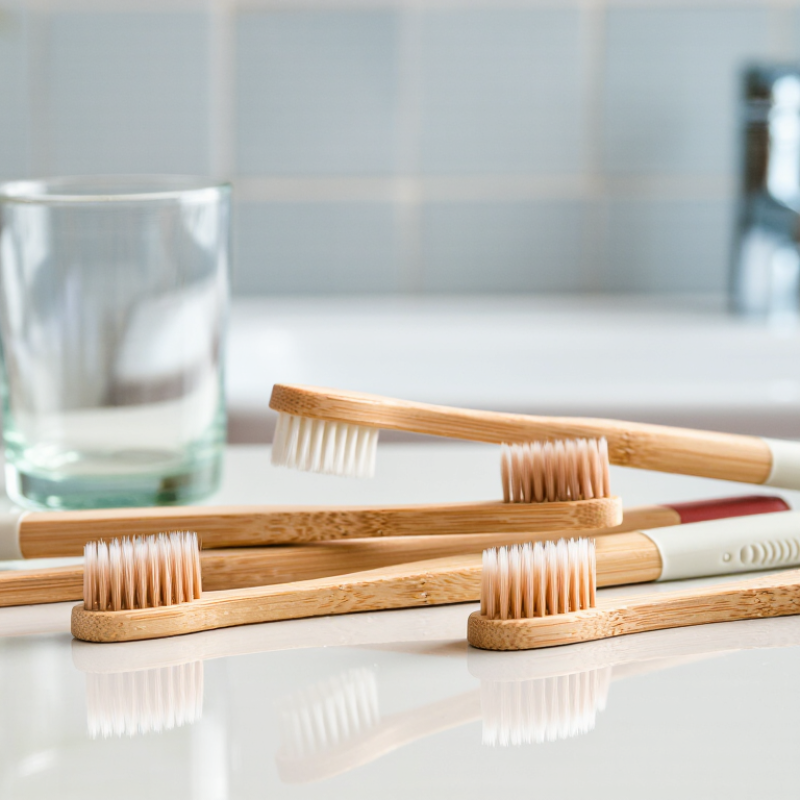
2026 How to Choose the Best Biodegradable Toothbrush?

What Makes a Toothbrush Biodegradable in 2026?

What Makes a Toothbrush Biodegradable in 2026?

A biodegradable toothbrush must break down through biological activity under defined conditions. A wooden or bamboo handle is not automatically biodegradable in every environment. Soil, moisture, temperature, and disposal methods all affect its breakdown.

The OECD’s Global Plastics Outlook reports that global plastic waste reached 353 million tonnes in 2019. Only 9% was recycled. This context makes material selection important, but it does not make every plant-based toothbrush sustainable. A handle may biodegrade while its bristles remain intact for years. Many bristles still use nylon or other synthetic polymers. Look closely.

Reliable evidence should include material disclosures and recognized compostability testing. ISO 14855-1 measures aerobic biodegradation under controlled composting conditions. However, industrial composting results do not guarantee breakdown in a garden or landfill. That difference is easy to miss.

The European Bioplastics market data shows continued growth in bio-based materials, yet bio-based does not always mean biodegradable. A toothbrush made with plant-derived plastic may need specific facilities. Check the disposal instructions before buying. The awkward truth is that “eco-friendly” labels can hide incomplete information. I would assess the handle, bristles, packaging, and end-of-life route separately. A truly responsible choice needs evidence for each part, not attractive wording alone.

How to Compare Bristle Materials and Environmental Impact

2026 How to Choose the Best Biodegradable Toothbrush?

How to Compare Bristle Materials and Environmental Impact

A biodegradable toothbrush is not automatically biodegradable in every part. The handle may use bamboo or another plant-based material, while the bristles remain conventional nylon. This difference matters. Nylon usually offers consistent softness, strength, and drying performance. Dental guidance commonly favors soft bristles because they reduce irritation and enamel wear. A “green” claim should never replace comfortable, safe brushing.

Plant-based bristles can reduce fossil-based content, but their performance may vary. Some absorb moisture, bend sooner, or feel rough after repeated use. Bio-based nylon can provide similar durability, yet it may not break down in normal soil. I once assumed plant-based materials always composted easily. That was too simple. Many require industrial composting facilities, which local waste systems may not provide.

Look for clear material details, not vague environmental language. Check whether the bristles, handle, and packaging need separate disposal. A longer-lasting brush may create less waste than a quickly damaged alternative. However, keeping a worn brush too long can reduce cleaning quality. Replace it when the bristles spread, usually around three months. Small details count. Consider transport distance, packaging weight, and verified environmental testing. Reliable information should explain conditions, limits, and disposal steps. Claims without evidence deserve careful questioning.

How to Evaluate Handle Durability, Comfort, and Safety

2026 How to Choose the Best Biodegradable Toothbrush?

Handle durability should be tested before appearance. Hold the toothbrush with dry hands. Look for smooth edges, balanced weight, and a firm neck. A handle that bends near the head may feel weak during brushing. Press it gently against your palm, not your teeth. Too much flexibility can reduce control. However, an extremely rigid handle may feel harsh and uncomfortable. I would choose steady support with a slight, controlled flex. This judgment is not perfect. Hand size and brushing habits can change the experience.

Tips: Check the handle after several uses. Watch for cracks, swelling, or rough patches. Keep it upright and allow it to dry fully. Read the material details carefully. Vague claims deserve questions.

Comfort and safety depend on more than the handle. Bristles should feel soft against the gums and remain securely attached. Sharp edges, strong odors, or peeling surfaces are warning signs. Look for clear material information and credible safety testing. Biodegradable does not automatically mean safer. A natural-looking handle can still irritate sensitive skin if its finish is poor. I also question disposal promises that lack practical instructions. The toothbrush should clean comfortably, stay intact during normal use, and provide information you can verify.

2026 How to Choose the Best Biodegradable Toothbrush?

Handle durability, comfort, and safety evaluation by material type

Scores use a 0–10 evaluation scale. Durability considers moisture resistance and structural stability; comfort considers grip shape, surface feel, and weight; safety considers material inertness, finish quality, and the absence of sharp edges or splinters. PHA and bamboo handles can reduce fossil-plastic use, but real-world performance depends on formulation, coating, manufacturing quality, and disposal conditions.

Which Certifications and Packaging Claims Can You Trust?

Choosing a biodegradable toothbrush requires more than reading “eco-friendly” on a box. Packaging creates about 40% of global plastic waste, according to the OECD’s Global Plastics Outlook 2022. That figure makes clear packaging claims deserve scrutiny. A credible package should name its material, disposal route, and testing standard. “Compostable” is not the same as “biodegradable.” Industrial composting may require controlled heat, humidity, and oxygen. Your household bin may not provide them. The handle can qualify while the bristles remain synthetic. Check every component.

Look for recognized standards, such as ISO 17088, ASTM D6400, or EN 13432. Compostability certificates should identify whether testing covers industrial or home composting. FSC certification can support responsibly sourced paper packaging, but it does not prove the toothbrush handle will decompose. The Federal Trade Commission’s Green Guides also warn against broad, unqualified environmental claims. Clear evidence matters more than green colors. A 2023 European Bioplastics market report estimated global bioplastics production capacity at about 2.18 million tonnes, showing the sector is growing, but capacity does not guarantee proper disposal.

Tips: Photograph the label before buying. Search the certificate number. Ask where local composting accepts the material. Treat vague claims carefully. I have found packaging explanations inconsistent, even when the product looked convincing. That is worth remembering. Also inspect the bristles, adhesive, and coating. A toothbrush is not one material. Its weakest component may determine its real environmental outcome.

How to Choose the Best Biodegradable Toothbrush for Your Needs

2026 How to Choose the Best Biodegradable Toothbrush?

Your oral-health needs come before the word biodegradable. The WHO Global Oral Health Status Report 2022 estimates that nearly 3.5 billion people live with oral diseases. Choose soft, rounded bristles if your gums feel tender or bleed easily. A compact head can reach crowded back teeth more comfortably. Children and adults may also need different handle sizes. The right fit matters every morning.

Check the construction, not only the handle. A bamboo handle may biodegrade, while nylon bristles usually require separate disposal. Some handles also contain coatings, adhesives, or mixed materials. Ask whether the product has testing evidence under ISO 20126:2022, which covers manual toothbrush performance and safety requirements. Claims such as “biodegradable” should explain which part breaks down, under what conditions, and how long it takes. ISO 14021 provides guidance for self-declared environmental claims.

Disposal decides much of the real impact. UNEP’s Turning off the Tap report states that 19–23 million tonnes of plastic waste enter aquatic ecosystems annually. Keep the used brush dry before disposal, and follow local composting rules. Home compost rarely matches industrial composting conditions. A recyclable handle is not automatically accepted by local programs. That part is easy to overlook.

My practical test is simple: hold the brush, inspect loose bristles, and read the disposal instructions. If the handle feels slippery or the bristles splay within days, sustainability loses meaning. I would accept a less perfect material if it lasts longer and protects my gums. Ethical choices can be inconvenient.屉

FAQS

What makes a toothbrush biodegradable?

Its materials must break down through biological activity under defined conditions. Natural-looking is not enough. Soil, moisture, temperature, and disposal methods affect the result.

Does a wooden or bamboo handle always biodegrade?

No. A wooden or bamboo handle may break down in suitable soil and moisture. It may remain longer in dry conditions or a landfill. The material alone cannot guarantee the outcome.

Are biodegradable toothbrush bristles made from natural materials?

Not always. Many bristles still contain nylon or other synthetic polymers. They may remain intact for years. Check the bristle material separately from the handle.

What evidence should support a biodegradable toothbrush claim?

Look for full material disclosures and recognized compostability testing. Testing under controlled composting conditions can provide useful evidence. It does not guarantee breakdown in a garden or landfill. That distinction matters.

Does bio-based plastic automatically mean biodegradable?

No. Plant-derived plastic may require a specific composting facility. Bio-based describes the source, not necessarily the end-of-life behavior. Read the disposal instructions before buying.

How can I check whether a handle is durable?

Hold it with dry hands and inspect the neck closely. Look for smooth edges, balanced weight, and steady support. Press it gently against your palm, never your teeth. A slight controlled flex can feel comfortable. Too much bending may reduce brushing control.

What signs show that a toothbrush may be unsafe or uncomfortable?

Avoid sharp edges, strong odors, peeling surfaces, or loose bristles. The bristles should feel soft against the gums. The handle should remain intact during normal brushing. Biodegradable does not automatically mean safer. I could be wrong for sensitive users.

How should I care for a biodegradable toothbrush?

Keep it upright after brushing and let it dry fully. Check for cracks, swelling, rough patches, or bristle movement. Replace it when the structure becomes unreliable. Small details matter.

How should I judge the toothbrush’s complete environmental impact?

Assess the handle, bristles, packaging, and disposal route separately. An attractive label cannot prove every part is responsible. Follow the stated disposal method carefully. The promise may still be incomplete.

Conclusion

Choosing the best Biodegradable Toothbrush in 2026 requires more than selecting a handle labeled “eco-friendly.” A truly biodegradable toothbrush should use responsibly sourced or plant-based materials that can break down under suitable conditions, while avoiding unnecessary mixed materials that complicate disposal. Compare bristle options carefully, since nylon, plant-derived fibers, and other alternatives differ in durability, softness, hygiene, and environmental impact. The ideal brush should also offer a comfortable grip, safe rounded bristles, and enough strength to withstand regular use without wasteful replacement.

Consumers should review certification details and packaging claims instead of relying on vague environmental language. Look for clear information about material composition, biodegradability conditions, responsible sourcing, and disposal instructions. Packaging should minimize excess material and use recyclable or compostable components where appropriate. Ultimately, the best Biodegradable Toothbrush depends on personal priorities, including brushing sensitivity, preferred firmness, durability, disposal access, and sustainability goals. A thoughtful comparison helps balance oral care performance, safety, convenience, and reduced environmental impact.


Amelia

Amelia

Amelia is a seasoned marketing professional with a wealth of expertise in our company’s core offerings. With an unwavering passion for driving growth and innovation, she plays a pivotal role in shaping our marketing strategies and enhancing brand visibility. A key aspect of her responsibilities......