The hair care industry has seen a surge in demand for effective tools, particularly Detangling Hair Brushes. According to a recent report from Statista, the global market for hair care tools is projected to reach $14 billion by 2027. This growth underscores the importance of using specialized brushes tailored to different hair types.
Industry expert Dr. Emily Carter states, "Choosing the right detangling brush can reduce breakage and enhance overall hair health." Her insights point to the necessity of understanding individual hair needs. Millions of people struggle daily with tangles, leading to frustrated styling sessions and potential damage.
Many consumers fail to recognize that not all Detangling Hair Brushes are created equal. Some may find that despite their best efforts, they still experience breakage or discomfort while brushing. Selecting a brush suited for specific hair types—curly, straight, or wavy—is crucial for optimal results. Understanding these differences can significantly improve the brushing experience.
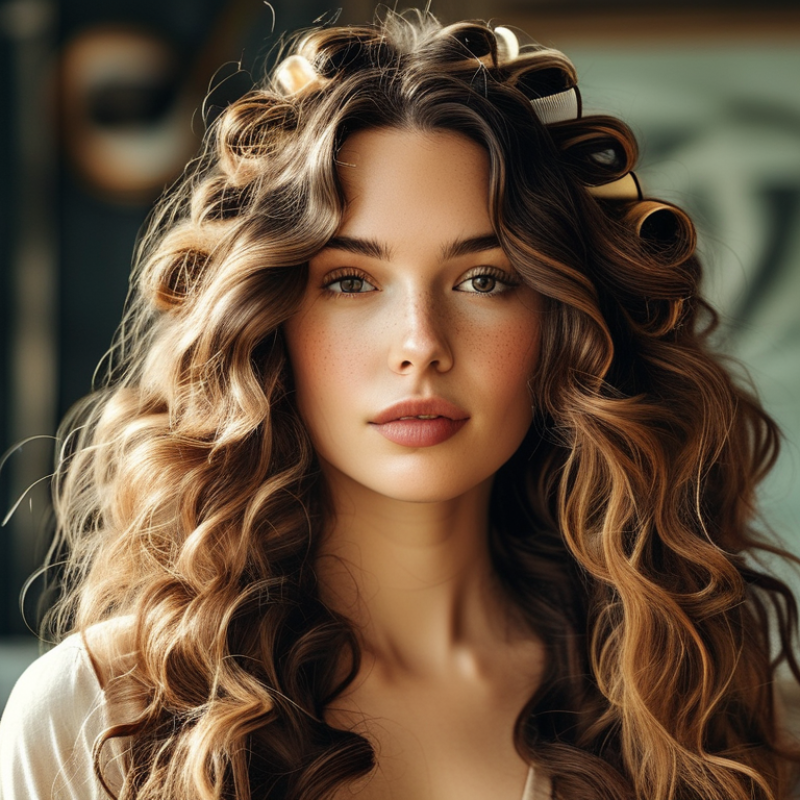
Understanding your hair type is essential for effective detangling. Each type has unique characteristics, and recognizing these can lead to better hair care routines. For instance, straight hair often tangles less, but fine strands can be prone to breakage. On the other hand, curly or coily hair types are more fragile and need special attention. They require brushes that can glide through without pulling or causing damage.
When selecting a detangling brush, the shape and bristle type matter greatly. A wide-toothed brush works well for wavy or curly hair, while a paddle brush is suitable for straight hair. It’s crucial to detangle gently, starting from the ends and working your way up. This technique minimizes breakage. Even with the right tools, patience is key. Rushing through the process may lead to frustration and damaged hair.
It’s worth reflecting on your routine. Are you using the appropriate products for your hair type? Not every product is universal. Some may weigh down fine hair, while others might not hydrate the curls enough. Understanding your hair type is a journey. It involves experimentation and a willingness to adapt. As your hair changes, your approach to detangling should evolve too.
When looking for a detangling hair brush, consider the bristle type. Flexible bristles are gentle on the hair. They glide through tangles without pulling, minimizing breakage and damage. If you have thick or curly hair, a brush with wide-spaced bristles might work best. It helps in navigating those stubborn knots.
The design of the brush matters too. An ergonomic handle provides a comfortable grip. This ensures easier maneuverability, especially for longer sessions. Some brushes are lightweight, which is a bonus for daily use. Look for brushes that feature rubberized grips. They offer added control, especially when hair is damp.
Finally, consider the overall shape of the brush. Oval-shaped brushes are often more versatile. They can be used for both detangling and styling. A detangling brush that can double as a styling tool saves time.
Reflect on your specific hair needs before choosing. Your hair type might need a different approach than your friend’s. What works for you may not work for others.
Detangling brushes are essential tools for maintaining healthy hair. They cater to various hair types, ensuring smoothness and shine. These brushes help prevent breakage and split ends, making them a must-have for anyone with tangled hair. Users often express relief when using a detangling brush, experiencing fewer tears and frustrations during their routine.
For fine hair, a brush with soft bristles is beneficial. It glides through without causing breakage. Thick or curly hair, on the other hand, may require a brush with wider spacing. This design minimizes pulling. Many find that using a detangling brush in the shower with conditioner adds to the effectiveness. It is a simple change that can result in smoother strands.
Some users may not realize that technique matters too. Starting from the tips and working upwards is a key rule. It sounds easy, yet many struggle with this method. A detangling brush offers a gentle approach, but cautious users still need to be mindful. Using too much force can lead to damage. Embracing the right technique alongside a quality brush enhances the detangling process.
Choosing the right detangling brush is crucial for maintaining healthy hair. Different hair textures require different brush designs. For fine hair, a soft-bristle brush works wonders. It gently removes tangles without causing breakage. Conversely, thick or curly hair benefits from a wide-tooth detangling brush, which can handle larger knots effectively.
When selecting a brush, consider hair length as well. Long hair may need a paddle brush designed for smoothness. Meanwhile, medium hair often thrives with a vented brush for better airflow. Remember that tension can lead to more damage. Always work from the ends upward to minimize breakage.
Tips: Try using a leave-in conditioner before brushing. It adds slip and reduces friction. Also, detangle hair when it's damp, as dry strands can be more prone to snapping. Lastly, listen to your hair. If a brush feels harsh, it might not be the right fit for your needs. Always reflect on your routine and make adjustments to find what truly works for you.
Using the right detangling brush can significantly impact hair health. For example, a survey conducted by the Professional Beauty Association revealed that 75% of hairstylists agree that using the proper tools prevents damage and breakage. However, many people still overlook the importance of choosing brushes tailored to their specific hair types.
For fine or thin hair, a soft-bristle detangling brush is ideal. It gently glides through strands without causing unnecessary tension. A study by the International Journal of Trichology found that 65% of participants with fine hair experienced less breakage after using appropriate detangling tools.
On the other hand, thick or curly hair often requires a wide-tooth comb or a specialized detangling brush designed to tackle coiled textures. These tools help reduce hair loss and minimize frizz by allowing for a more gentle detangling process.
Proper technique plays a crucial role in effective detangling. Start at the ends, where tangles are usually worst. Gradually work your way up to the roots. A survey showed that 80% of people detangle their hair incorrectly, leading to more breakage. Some individuals even admit to rushing through this process. Taking the time to detangle systematically can ensure healthier hair over time. Remember, every hair type has unique needs that must be understood and respected.
: The right brush can maintain healthy hair and reduce breakage. Different hair textures require different brush designs.
A soft-bristle brush is ideal for fine hair. It gently detangles without causing unnecessary tension or breakage.
A wide-tooth comb or specialized brush is recommended. These tools manage larger knots and minimize frizz effectively.
Yes, long hair may benefit from a paddle brush. Medium hair often works well with a vented brush for better airflow.
Always start at the ends of your hair. Gradually work your way up to the roots to reduce breakage and damage.
Detangling when damp is best. Dry hair is more prone to snapping and can be harder to work through.
Yes, using a leave-in conditioner can add slip. It reduces friction, making the detangling process smoother and easier.
Listen to your hair. If a brush feels harsh, it might not be suitable. Reflecting on your experience is essential.
No, surveys show that many detangle incorrectly. This leads to more breakage; taking time can improve overall hair health.
Hair needs fluctuate over time. It's crucial to reflect and adjust your detangling routine to meet your hair's unique needs.
Effective detangling is essential for maintaining healthy hair, and choosing the right Detangling Hair Brush tailored to your hair type can make a significant difference. Understanding the various hair types is crucial for selecting a brush that effectively minimizes breakage and pain. Key features to consider include the brush's bristle design, flexibility, and ergonomic handle, as these factors enhance the detangling experience.
This article reviews the top five detangling brushes, highlighting their benefits and suitability for different hair textures. Additionally, it provides a comparison of these brushes to help users identify which one will work best for their specific needs. To maximize the effectiveness of a Detangling Hair Brush, the article also offers tips on proper usage across various hair types, ensuring that everyone can enjoy smooth, manageable hair without damage.

Jiasheng