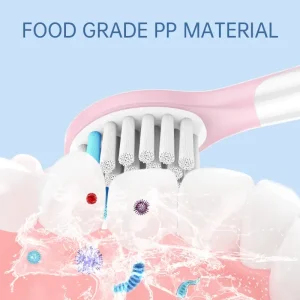
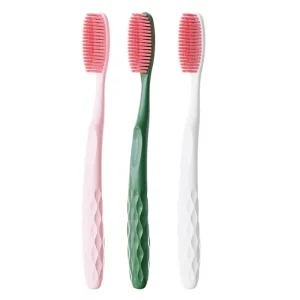
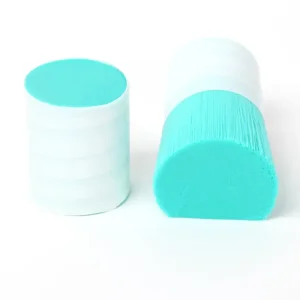
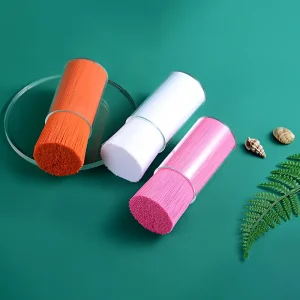
In the global oral care market, PBT (Polybutylene Terephthalate) Filaments have emerged as the superior choice for high-end dental products. Unlike traditional Nylon (PA66 or PA6), PBT offers a significantly lower moisture absorption rate (less than 0.1%), ensuring that bristles maintain their stiffness and cleaning efficiency even in humid bathroom environments.
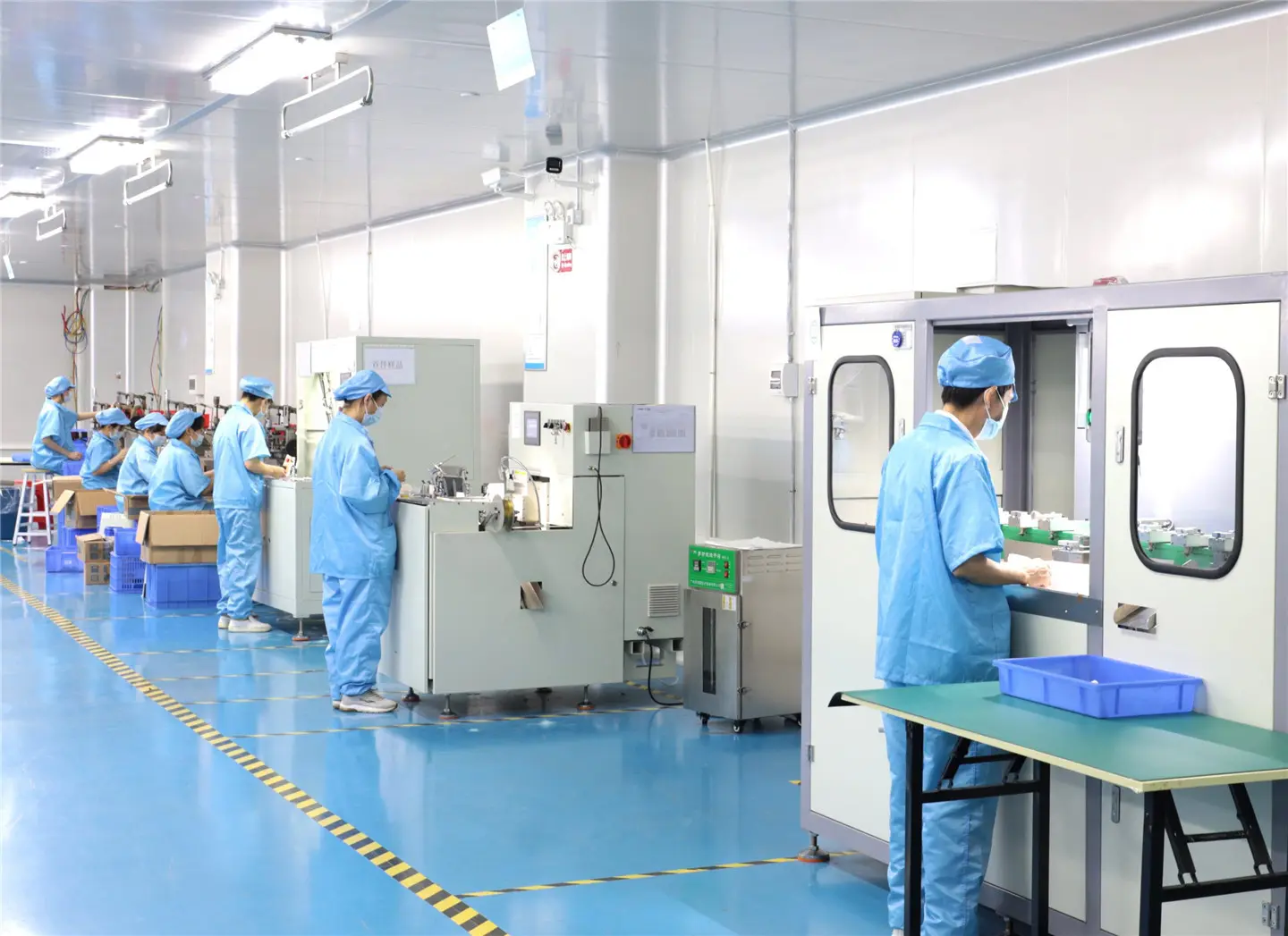
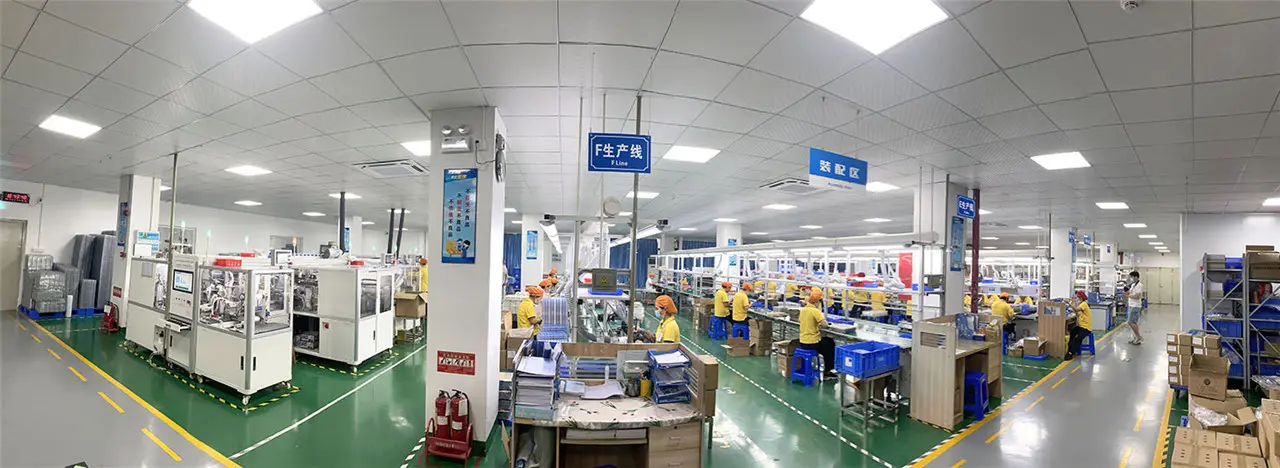
At Shenzhen Jiasheng Industrial Co., Ltd., we have witnessed this industrial shift first-hand. Established in 1991, our journey began with the master manufacture of synthetic filaments. Today, we bridge the gap between material science and consumer ergonomics, integrating filament production with finished brush manufacturing to optimize cost and quality.

Chinese factories like Jiasheng leverage high-speed monofilament extrusion lines and automated tufting technologies, reducing lead times by 30% compared to traditional manufacturers.
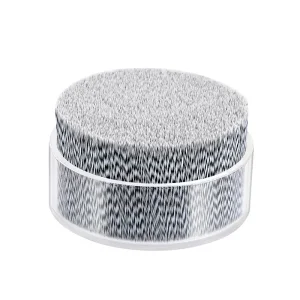
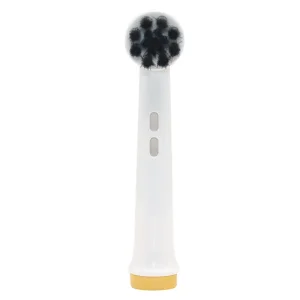
We specialize in Spiral, Tapered, and Charcoal-infused PBT filaments, providing higher "Information Gain" for brands looking to differentiate in a crowded market.
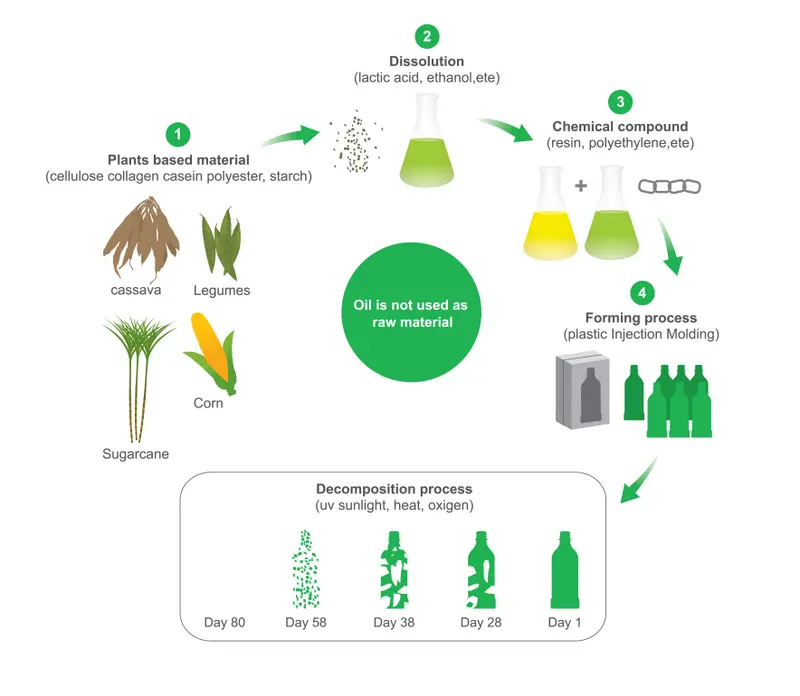
Focusing on biodegradable and recyclable PBT alternatives to meet the EU's strict environmental regulations and corporate ESG goals.
With new bases in Thailand and Vietnam (est. 2024), we mitigate geopolitical risks and offer duty-free advantages to Western markets.
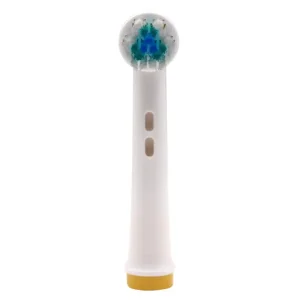
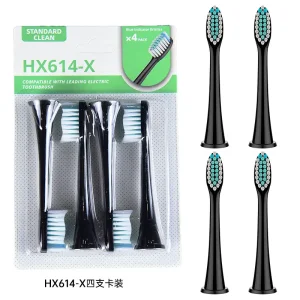
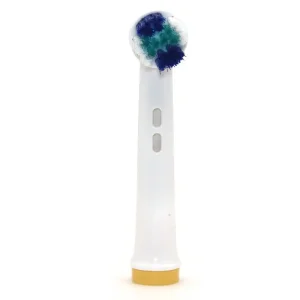
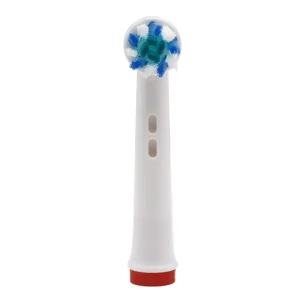
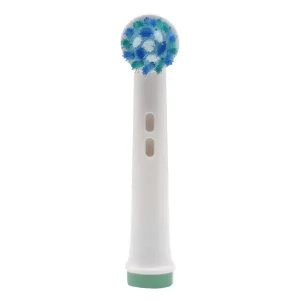
PBT's fatigue resistance makes it ideal for the high-frequency vibrations (up to 40,000 VPM) of sonic toothbrushes. It prevents bristle splaying and maintains cleaning geometry over 3 months.
Tapered PBT filaments (0.01mm tips) provide a localized cleaning solution for the gingival sulcus, popular in the Japanese and Korean dental markets.
High-recovery PBT is essential for interdental brushes where bristle memory is crucial for navigating tight spaces between teeth and braces.

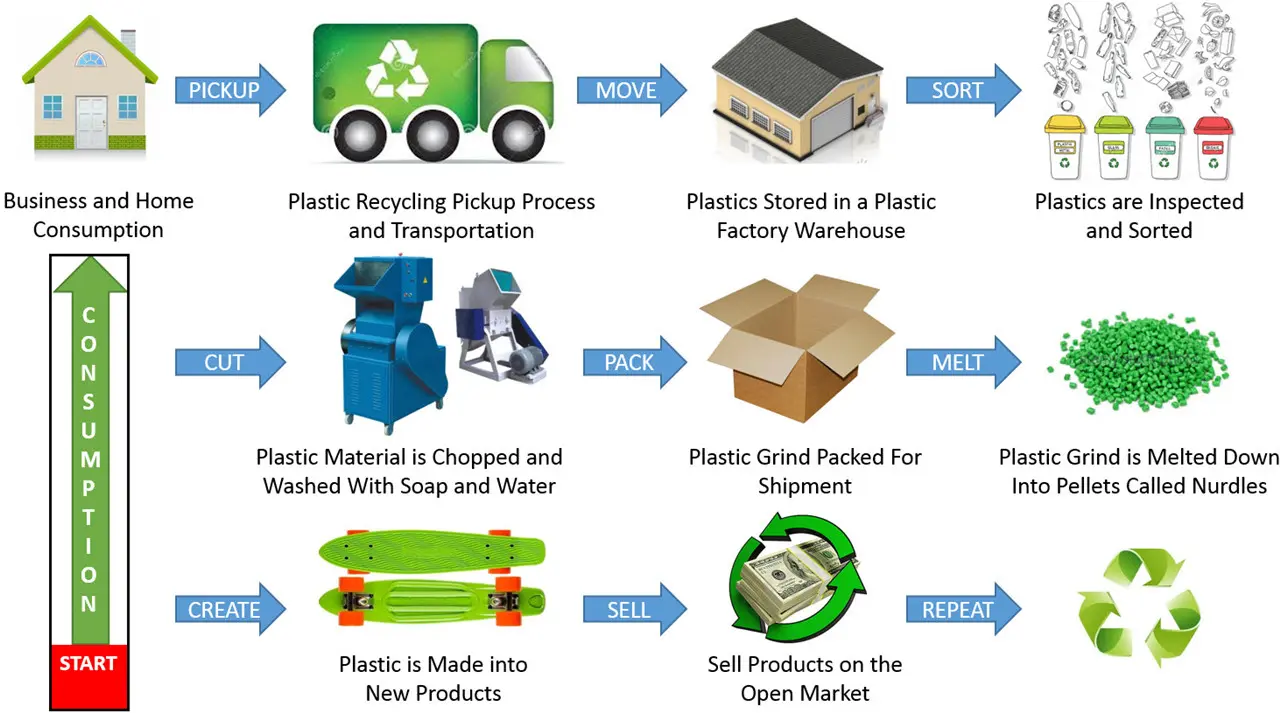
The industry is moving toward bio-based PBT. By sourcing polymers derived from renewable castor oil or recycled PET, Jiasheng is helping global brands reduce their carbon footprint without sacrificing performance. Our integrated model—making both the filament and the handle—allows for "Mono-material" designs that are 100% recyclable.
 Jiasheng